
Materials & Advanced Manufacturing
Advancing the Materials and Manufacturing Capabilities that Strengthen National Security
From next-generation materials to advanced manufacturing technologies, Penn State is helping build the systems, infrastructure, and workforce needed to address critical national security challenges.
The National Security Institute’s Materials and Advanced Manufacturing pillar leverages Penn State’s internationally recognized expertise in materials science, additive and advanced manufacturing, digital engineering, and advanced processing technologies to accelerate innovation and transition discoveries into real-world impact.
Researchers across the University are developing new materials, manufacturing processes, and digital design tools that improve performance in extreme environments, strengthen domestic supply chains, and enable rapid production of mission-critical technologies. The pillar brings together expertise from engineering, materials science, computational modeling, artificial intelligence, and applied research to create solutions that move from concept to deployment faster than ever before.

Why It Matters
National security depends on reliable access to advanced materials and manufacturing capabilities. Emerging threats, supply-chain disruptions, and rapidly evolving technology requirements demand new approaches to how critical components are designed, produced, repaired, and deployed.
Penn State researchers are advancing technologies that:
- Increase supply-chain resilience
- Enable point-of-need manufacturing and repair
- Develop materials for extreme operating environments
- Accelerate qualification and certification of manufactured components
- Improve manufacturing efficiency through digital tools and machine learning
- Support defense, aerospace, energy, and industrial applications
Areas of Excellence
Additive Manufacturing
Penn State is a global leader in additive manufacturing research and education. Researchers are advancing metal, polymer, composite, and ceramic additive manufacturing technologies that enable rapid production of complex, high-performance components.
Advanced Materials
Faculty are developing materials that can withstand extreme temperatures, corrosive environments, and demanding operational conditions, including materials for aerospace, energy, and defense applications.
Digital Manufacturing
Researchers are integrating modeling, simulation, sensing, and artificial intelligence to improve manufacturing processes, reduce development time, and accelerate technology transition.
Supply Chain Resilience
The pillar develops technologies that support distributed manufacturing, rapid response capabilities, and domestic production of critical components.
Machine Learning for Materials Discovery
Penn State researchers are combining data science, materials engineering, and processing science to accelerate the discovery and optimization of next-generation materials and manufacturing methods.
Penn State Leadership
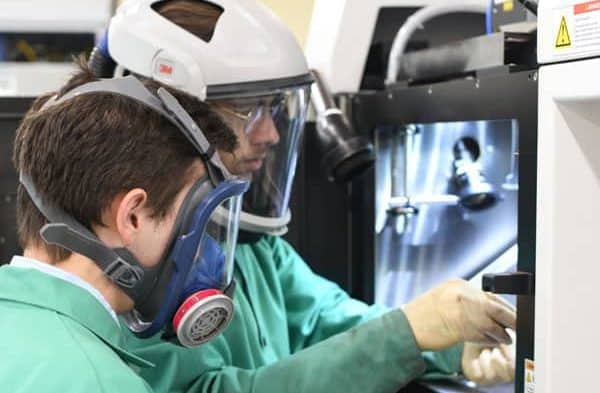
The Materials and Advanced Manufacturing pillar builds upon Penn State’s long-standing strengths in materials science and additive manufacturing. Faculty leader Allison Beese, professor of Materials Science and Engineering and co-director of Penn State’s Center for Innovative Materials Processing through Direct Digital Deposition (CIMP-3D), is internationally recognized for research in additive manufacturing, materials for extreme environments, supply-chain resilience, and machine-learning-enabled materials design.
Penn State’s additive manufacturing ecosystem spans expertise from materials design and processing to in-situ monitoring, process control, qualification, and deployment of advanced manufactured components.
Featured Facilities and Centers
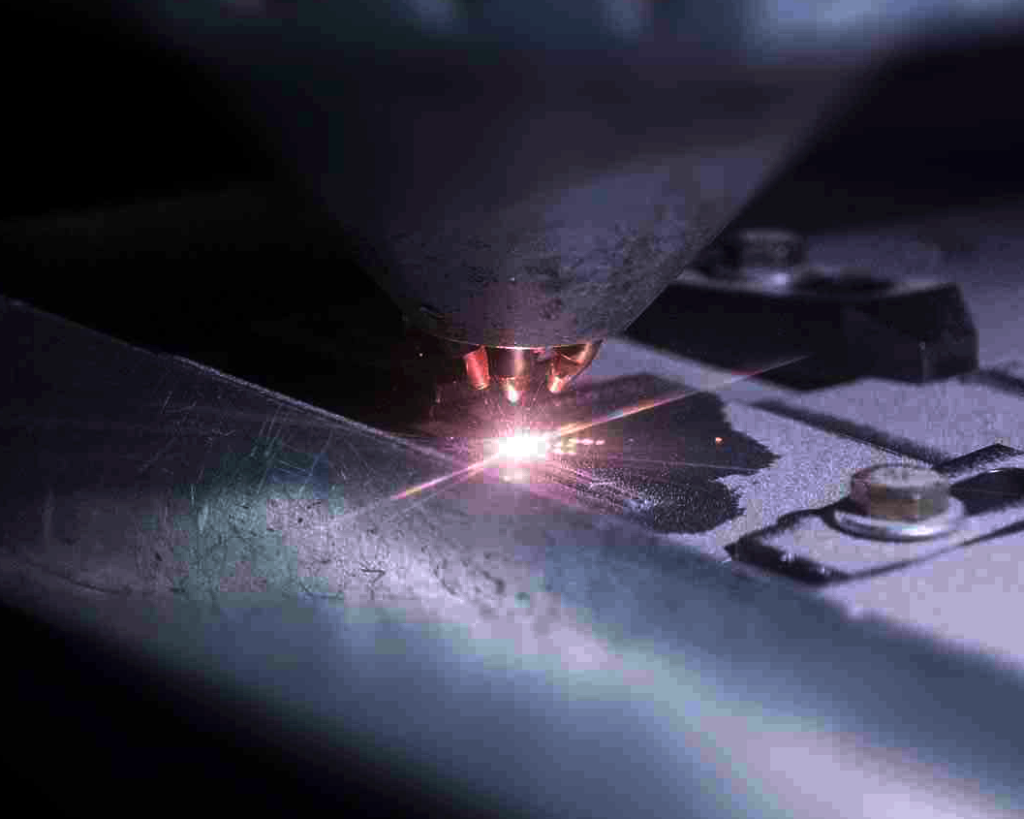
Center for Innovative Materials Processing Through Direct Digital Deposition (CIMP-3D)
CIMP-3D brings together researchers from across Penn State to advance additive manufacturing technologies and develop next-generation materials and processes for critical applications. The center supports research in metals, ceramics, machine learning, process monitoring, qualification, and advanced design.

Materials Research Institute
The Materials Research Institute (MRI) provides state-of-the-art facilities and interdisciplinary expertise supporting materials discovery, characterization, and technology transition.
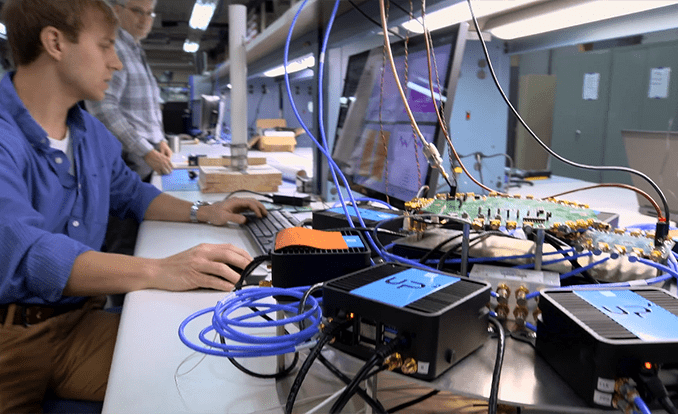
Applied Research Laboratory
Penn State’s Applied Research Laboratory (ARL) collaborates with researchers across the University to address national security challenges requiring advanced manufacturing and materials solutions.
Latest News and Research

Penn State researchers received funding to develop advanced digital casting approaches that improve manufacturing efficiency and component performance.

The appointment highlights the growing importance of materials science and advanced manufacturing within NSI’s national security mission.

Penn State’s additive manufacturing programs continue to connect industry, students, and researchers through hands-on education and workforce development opportunities.

Researchers will establish a graduate training program to equip engineers and scientists with the tools to affect transformative change in sustainable materials processing.
Partner with NSI
Penn State welcomes collaborations with government agencies, industry partners, and academic institutions seeking innovative solutions in materials science, advanced manufacturing, and national security.